
Trusted by 10,000+ Homeowners Across the USA
Sewage Water Extraction in Wilson, PA
- 24/7 Emergency Response — We're Always Ready
- IICRC Certified & Licensed Professionals
- Direct Insurance Billing — No Hassle Claims
- Advanced Equipment & Proven Techniques
- 100% Satisfaction Guaranteed
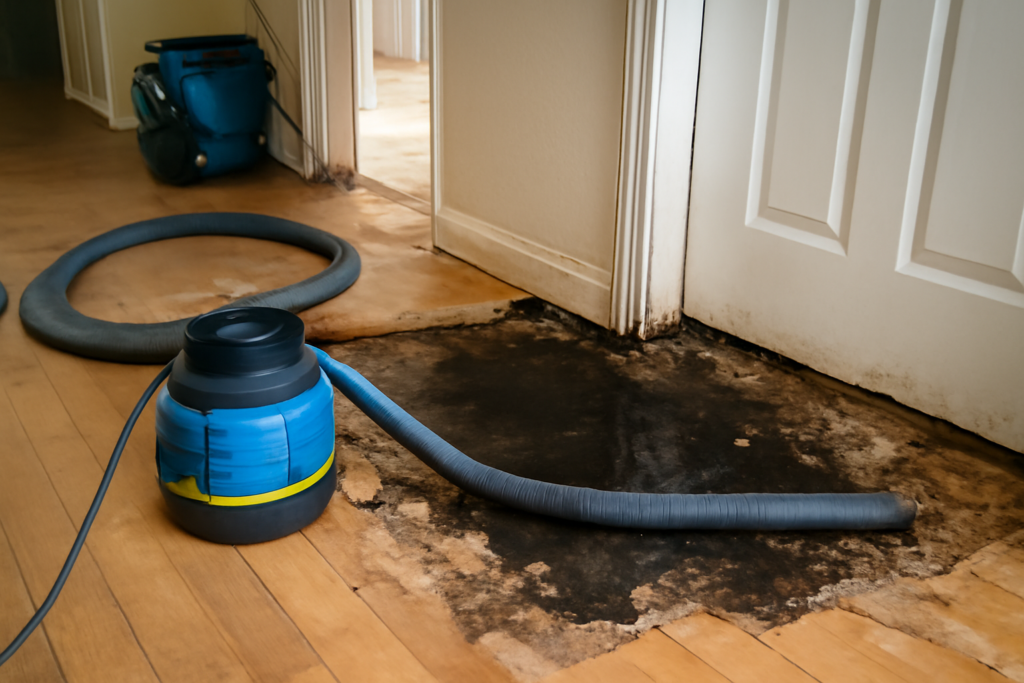
Sewage Water Extraction in Wilson, PA: When to Act Fast
Musty odors, soggy carpets, and flooded hallways can be a nightmare to deal with, especially when they're caused by sewage backup. Don't wait until the issue spreads and you're facing a full-blown disaster. If you suspect sewage water has contaminated your property, call us immediately before it's too late.
Your neighbors trust our team for sewage water extraction services because of our 24/7 emergency response and commitment to delivering top-notch results. With over 165 five-star reviews, we're the go-to professionals for Wilson, PA homeowners in need of fast and reliable help.
- Our team arrives on-site within 60 minutes to assess the damage and begin the extraction process.
- We use state-of-the-art equipment, including truck-mounted extractors and specialized pumps, to remove contaminated water and debris.
- We provide free estimates and work with your insurance provider to ensure a smooth claims process.
How Our Sewage Water Extraction Process Works
Proper sewage water extraction is a delicate process that needs precision and care. Our team's expert technicians understand the importance of acting fast to reduce damage and prevent costly repairs.
Step 1: Assessment and Containment
Upon arrival, our technicians assess the situation to find out the extent of the damage. We then contain the affected area using specialized equipment to prevent further contamination.
Step 2: Water Extraction and Removal
Using truck-mounted extractors, we remove contaminated water and debris from your property. This step is crucial in preventing structural damage and ensuring a safe working environment.
Step 3: Drying and Sanitizing
Our team uses industrial-strength drying equipment to evaporate remaining moisture and prevent mold growth. We also apply sanitizing agents to remove any remaining bacteria and odors.
Step 4: Cleanup and Reconstruction
Once the affected area is dry, our technicians begin the cleanup process. This includes removing any damaged materials, disinfecting the area, and preparing it for reconstruction.
Don't let sewage water extraction costs add up, contact us today for a free estimate and let our team take care of the rest.
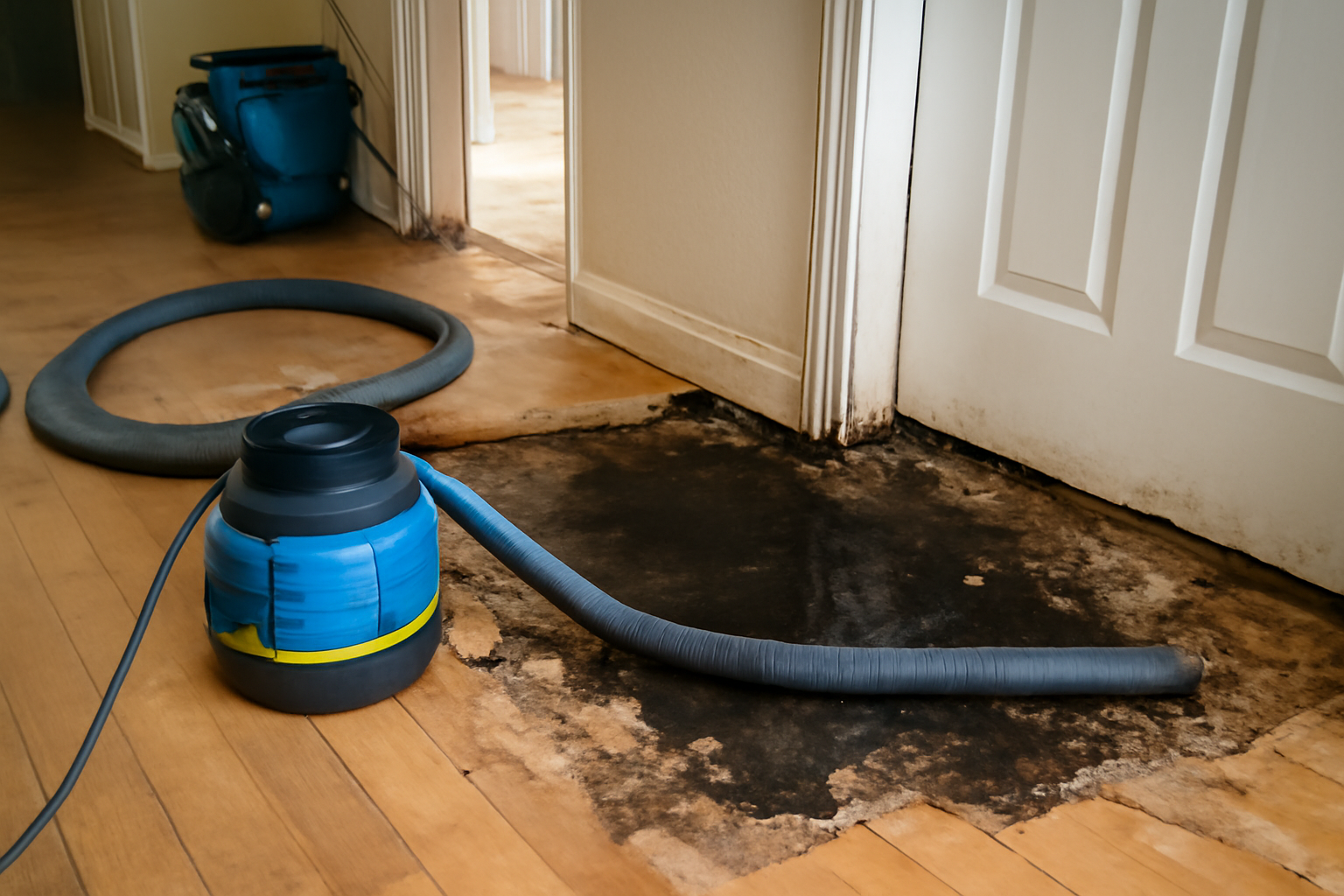
Warning Signs You Need Sewage Water Extraction
Mold growth, musty odors, and water damage can be a sign that sewage water has contaminated your property. If you notice any of these warning signs, act fast to prevent further damage.
Musty Odors That Won't Go Away
Unpleasant odors can show the presence of sewage water. If the smell persists even after cleaning, it's likely that sewage water has contaminated your property.
Water Damage and Soggy Carpets
Water damage and soggy carpets can be a sign of a much larger issue. If you notice water pooling or standing in your home, don't ignore it act fast to prevent structural damage.
Sewage Water Extraction vs. DIY: When to Call a Professional
| Situation | DIY? | Call a Pro? | Why |
|---|---|---|---|
| Small, contained water spill | Yes | No | DIY methods can handle small spills, but call a pro for larger messes. |
| Major sewage backup | No | Yes | Major sewage backups need professional equipment and expertise to safely extract and clean. |
| Visible mold growth | No | Yes | Mold growth shows a serious issue that needs professional remediation to prevent health risks. |
| Water damage and structural issues | No | Yes | Water damage can lead to structural issues that need professional attention to prevent costly repairs. |
| Unknown source of water damage | No | Yes | DIY methods can't identify the source of water damage, which is crucial for proper repair and prevention. |
| Need to work with insurance | No | Yes | Professional restoration services can help navigate the insurance claims process and ensure a smooth recovery. |
If you're unsure about whether to DIY or call a pro, trust your instincts and reach out to our team for expert advice and help.
Sewage Water Extraction Cost In Wilson, PA
The cost of sewage water extraction in Wilson, PA varies based on the severity of the issue, the size of the affected area, and local conditions. Our estimates range from $500 to $2,500 or more, depending on the complexity of the job.
| Service | Typical Price Range | What Affects Cost |
|---|---|---|
| Initial Assessment and Containment | $500 - $1,000 | Severity of damage, size of affected area |
| Water Extraction and Removal | $1,000 - $2,000 | Equipment rental, labor costs |
| Drying and Sanitizing | $500 - $1,000 | Equipment rental, labor costs |
| Cleanup and Reconstruction | $1,000 - $2,500 | Damaged materials, labor costs |
| Sanitizing and Odor Removal | $200 - $500 | Equipment rental, labor costs |
| Free Estimate and Insurance Coordination | $0 - $500 | Initial consultation and insurance claims process |
Exact pricing depends on an on-site assessment, so contact us today for a free estimate and let our team take care of the rest.
Service Areas Near Wilson, PA
We serve the following nearby communities: Allentown, Bethlehem, Easton, Emmaus, Fountain Hill, Hanover Township, Lehigh County, Lower Macungie Township, Macungie, Nazareth, Northampton County, North Whitehall Township, Pen Argyl, South Whitehall Township, Whitehall Township, and more.
Common Questions About Sewage Water Extraction
What Causes Sewage Water Backup?
Sewage water backup can be caused by various factors, including clogged pipes, tree roots, and heavy rainfall. It's essential to identify the source of the issue to prevent future problems.
How Long Does Sewage Water Extraction Take?
The length of time required for sewage water extraction depends on the severity of the issue and the size of the affected area. Typically, it takes 3-5 days to complete the extraction and cleanup process.
Is Sewage Water Extraction Covered by Insurance?
Yes, sewage water extraction is typically covered by homeowners' insurance policies. Our team works with your insurance provider to ensure a smooth claims process and help you recover from the damage.
Can I Prevent Sewage Water Backup?
Yes, you can take steps to prevent sewage water backup by regularly inspecting and maintaining your pipes, installing backflow preventers, and being mindful of heavy rainfall and tree roots.
Check Our Other Relevant Services
Serving Wilson, PA And Nearby Areas



