ZIP 18032 · Catasauqua, PA · Lehigh County
Emergency Damage Restoration in 18032Emergency Water Extraction & Emergency Water Removal
Emergency Damage Restoration in Catasauqua runs from emergency water extraction and storm damage repair to structural drying services.
Answered 24/7
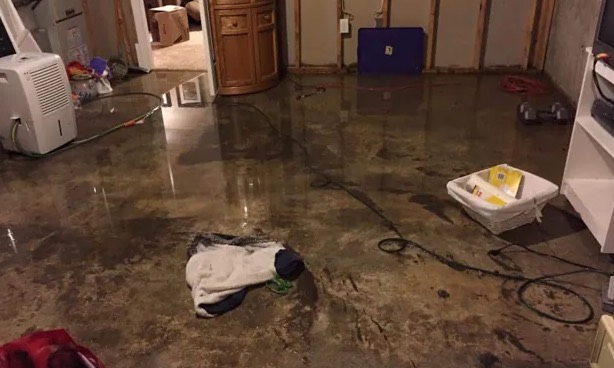
Emergency Damage Restoration for 18032 Properties
Emergency Damage Restoration in Catasauqua ends with a dry structure and a clear record. Final readings confirm walls, floors and framing are dry, and photos and logs document the work.
Property owners in Catasauqua can call (610) 365-4631 day or night for water emergencies. Service also covers Coplay, Whitehall and Northampton, with the same emergency steps.
Comprehensive Emergency Damage Restoration Services for 18032
Emergency Water Extraction
When water is spreading, pumps and extractors go in as soon as the source is shut off, pulling water from floors, carpet and low spots first.
Emergency Water Removal
Water from a burst pipe, overflow or appliance failure is removed as soon as possible, day or night, before it spreads to more rooms.
Firefighting Water Cleanup
Rooms that got wet but not burned are dried quickly so they can be repaired rather than replaced.
Storm Damage Repair
After a storm, a tarp can cover roof openings while water that came in through the roof, windows or doors is extracted.
Mold Remediation Services
The moisture source is stopped first, since mold returns if materials keep getting wet.
How to Know You Need Emergency Damage Restoration in 18032
Sewage Backup in Drains or Toilets
Sewage coming up through drains or toilets is a health hazard that needs protective cleanup right away.
Gaps or Damage After a Storm
Missing shingles, broken windows or other storm damage can let rain into the building during the next storm.
Damaged or Saturated Possessions
Wet furniture, rugs, papers and belongings need to be moved out of the water and dried or listed.
Water Damage After a Fire
Wet ceilings, walls and floors in rooms around a fire need extraction and drying even if they did not burn.
How Emergency Damage Restoration Works in 18032
Step 1: On-Scene Evaluation and Triage
The most urgent areas, such as sagging ceilings or water near outlets, are handled first.
Step 2: Water Removal
Standing water is pumped out, and soaked carpet pad and drywall are removed where needed.
Step 3: Dehumidification and Moisture Control
Dehumidifiers bring humidity down while air movers keep dry air moving across wet surfaces.
Step 4: Contents Cleaning
Belongings are cleaned, dried or listed, and the space is readied for repairs.
Frequent Sources of Disaster Damage in 18032
Foundation Cracks and Seepage
Foundation cracks let groundwater seep into lower levels and finished rooms after heavy rain.
HVAC System Condensate Issues
Clogged AC condensate drains overflow into closets, attics and the ceilings of the rooms below.
Firefighting Water
Water from hoses and sprinklers used to put out a fire soaks rooms throughout the building.
Chronic Moisture and Condensation
Ongoing condensation and humidity slowly damage walls, ceilings and framing over time.
Emergency Damage Restoration for Residential & Commercial Properties in 18032
Residential Emergency Damage Restoration
Homeowners dealing with storm damage may need a tarp over the roof or broken windows while the inside is extracted and dried.
Commercial Emergency Damage Restoration
Restaurants, medical offices and schools need contaminated water cleaned up to the health rules for those spaces before reopening.
Emergency Damage Restoration vs. DIY: When to Call the Pros
Shutting off the main water, turning off power to wet areas and moving belongings are the right first steps. Call local emergency damage restoration pros as soon as water has reached carpet, walls or more than one room.
Estimating Your Emergency Damage Restoration Investment in 18032
The cost of emergency damage restoration in Catasauqua depends on how much water there is, what type it is and how many rooms and materials it reached.
Equipment Needs
The number of pumps, extractors, air movers and dehumidifiers needed affects the total cost.
Affected Materials
Carpet, drywall, wood floors and cabinets each take different work to dry or replace.
Access Complexity
Multi-story buildings, crawl spaces and attics take more time to reach and work in.
Does Insurance Cover Emergency Damage Restoration?
Insurers expect you to limit further damage. Calling for extraction right away and keeping records helps show that you did.
The Value of Local Pros for Emergency Damage Restoration in 18032
Damage Assessment
The whole affected area is checked, including rooms next to and below the source.
Hazard Control
Electrical hazards, sagging ceilings and contaminated water are dealt with before cleanup begins.
Contents Care
Furniture and belongings are moved, protected and listed so they can be dried or claimed.
Around-the-Clock Help for Emergency Damage Restoration in 18032
If a ceiling is sagging or water is near outlets, leave the room and shut off power if it is safe. Then call (610) 365-4631 for help in Catasauqua.
Call Now (610) 365-4631Emergency Damage Restoration Available Throughout the 18032 Region
Nearby areas served for emergency damage restoration include Coplay, Whitehall and Northampton, with the same emergency steps used in Catasauqua.
Frequently Asked Questions About Emergency Damage Restoration
How quickly should flood damage cleanup begin?
Right away. Floodwater soaks deeper and spreads contamination the longer it sits, and mold can start within days.
How long do structural drying services take?
Often several days, depending on the materials, how long they were wet and how much water there was.
What steps follow the water removal after a fire?
Wet debris is removed, the structure is dried and readings confirm the rooms are ready for repair.
What equipment is used for emergency water extraction?
Submersible pumps, truck-mounted or portable extractors, air movers and dehumidifiers, plus moisture meters to track drying.
Is sewage backup cleanup a health hazard?
Yes. Sewage carries bacteria and contaminants, so cleanup needs protective gear, containment and disinfection.