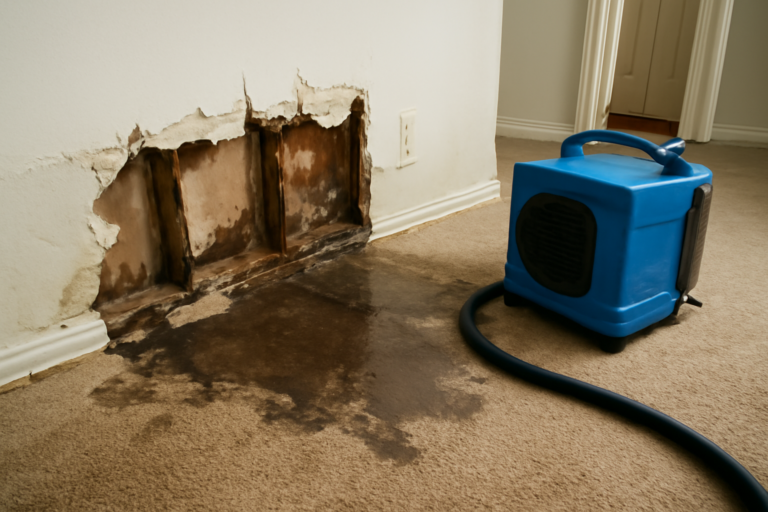
Trusted by 10,000+ Homeowners Across the USA
Septic Tank Backup Water Removal in Dunmore, PA
- 24/7 Emergency Response — We're Always Ready
- IICRC Certified & Licensed Professionals
- Direct Insurance Billing — No Hassle Claims
- Advanced Equipment & Proven Techniques
- 100% Satisfaction Guaranteed
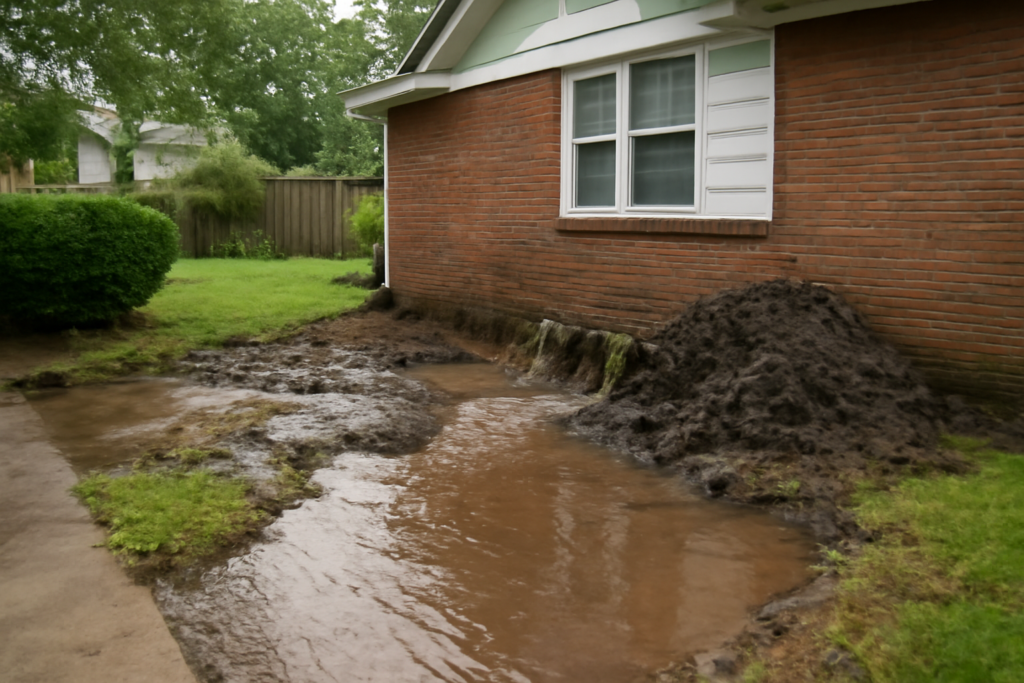
Septic Tank Backup Water Removal in Dunmore, PA: What You Need to Know
Did you know that septic tank backup water removal claims are one of the most common types of insurance claims in Dunmore, PA? In fact, according to recent data, up to 70% of homeowners in the area experience some form of septic system failure each year. It's essential to understand the risks and consequences of septic tank backup water removal and how to protect your property and wallet.
Our team has helped hundreds of homeowners in Dunmore, PA, and surrounding areas, recover from septic tank backup Water Removal disasters. With over 165+ five-star reviews we've earned a reputation for our professionalism, expertise, and customer service. When you choose us for your septic tank backup water removal needs, you can rest assured that you're in good hands.
- We specialize in septic tank backup water removal, with a focus on insurance and cost savings.
- We use the latest equipment and techniques to reduce damage and reduce costs.
- We work closely with insurance companies to ensure a smooth claims process.
How We Handle Septic Tank Backup Water Removal
Our process for septic tank backup water removal is designed to be efficient, effective, and cost-friendly. We start by assessing the damage and determining the best course of action. Our team uses specialized equipment to extract water and dry out the affected area. We work quickly to prevent further damage and reduce disruption to your daily life.
Step 1: Assessment and Planning
We'll send a team to your property to assess the damage and create a customized plan for septic tank backup water removal. This includes identifying the source of the backup, determining the extent of the damage, and outlining the necessary steps for restoration.
Step 2: Water Extraction
Our team will use specialized equipment to extract water from the affected area, including pumps, vacuums, and wet/dry vacuums. We'll work to remove as much water as possible to prevent further damage and reduce the risk of mold and mildew growth.
Step 3: Drying and Dehumidification
We'll use high-velocity air movers and dehumidifiers to dry out the affected area. This helps to prevent further damage, reduces the risk of mold and mildew growth, and speeds up the restoration process.
Step 4: Cleaning and Sanitizing
Once the area is dry, we'll clean and sanitize the affected area to prevent the growth of mold and mildew. This includes using specialized cleaning solutions and equipment to remove any remaining debris and contaminants.
Step 5: Restoration and Repair
Finally, we'll work with you to restore your property to its original condition. This may include repairing or replacing damaged materials, such as drywall, flooring, or cabinets.
Don't wait until the damage is too extensive. Contact us today to schedule a consultation and get a free estimate for septic tank backup water removal services.

Warning Signs You Need Septic Tank Backup Water Removal
Ignoring warning signs of septic tank backup water removal can lead to costly repairs and even health risks. Here are some common warning signs to look out for:
Musty Odors That Won't Go Away
If you notice persistent musty odors in your home, it may be a sign that your septic system is failing. These odors can be caused by the presence of mold and mildew, which can grow in the absence of oxygen.
Slow Drains and Clogged Pipes
If your drains are slow or clogged, it may be a sign that your septic system is backed up. This can cause sewage to overflow into your home, leading to costly repairs and health risks.
Water Damage and Leaks
If you notice Water Damage or leaks in your home, it may be a sign that your septic system is failing. This can cause extensive damage to your property and lead to costly repairs.
Unexplained Increases in Water Bills
If you notice unexplained increases in your water bills, it may be a sign that your septic system is leaking or malfunctioning. This can cause your water bills to skyrocket, leading to financial hardship.
Unpleasant Sounds and Noises
If you notice unpleasant sounds or noises coming from your septic system, it may be a sign that it's failing. This can include gurgling, bubbling, or hissing sounds.
Septic Tank Backup Water Removal vs. DIY: When To Call a Professional
| Situation | DIY? | Call a Pro? | Why |
|---|---|---|---|
| Small water spill (less than 1 inch deep) | Yes | No | DIY cleanup is usually enough for small spills. |
| Large water spill (over 2 inches deep) | No | Yes | Large spills need specialized equipment and expertise to prevent further damage. |
| Severe water damage (walls, floors, ceilings) | No | Yes | Severe water damage needs professional restoration to prevent further damage and health risks. |
| Unknown source of water leak | No | Yes | Unknown sources of water leaks need professional investigation and repair to prevent further damage. |
| High-risk areas (electrical, HVAC, plumbing) | No | Yes | High-risk areas need professional handling to prevent electrical shock, fire, or other hazards. |
| Previous water damage or mold growth | No | Yes | Previous water damage or mold growth needs professional remediation to prevent further health risks. |
Don't risk your health, safety, and finances by trying to handle septic tank backup water removal yourself. Contact us today to schedule a consultation and get a free estimate for professional services.
Septic Tank Backup Water Removal Cost in Dunmore, PA
The cost of septic tank backup water removal services in Dunmore, PA, can vary depending on the severity of the damage, the size of the affected area, and local conditions. Here are some estimated costs for common septic tank backup water removal services:
| Service | Typical Price Range | What Affects Cost |
|---|---|---|
| Water extraction | $500 - $2,500 | Size of affected area, amount of water extracted |
| Drying and dehumidification | $1,000 - $5,000 | Size of affected area, type of equipment used |
| Cleaning and sanitizing | $500 - $2,000 | Size of affected area, type of cleaning solutions used |
| Restoration and repair | $2,000 - $10,000 | Size of affected area, type of materials replaced |
| Insurance claims processing | $500 - $2,000 | Complexity of claims process, insurance company requirements |
Exact pricing will depend on an on-site assessment and consultation with our team. Contact us today to schedule a consultation and get a free estimate for septic tank backup water removal services.
Service Areas Near Dunmore, PA
We serve the following nearby communities: Scranton, Wilkes-Barre, Pittston, Old Forge, Taylor, Avoca, Moosic, West Pittston, Exeter, Duryea, Jenkins Township, and more.
Common Questions About Septic Tank Backup Water Removal
Q: How long does septic tank backup water removal take?
A: The length of time it takes to complete septic tank backup water removal services depends on the severity of the damage and the size of the affected area. Typically, our team can complete Water Extraction and drying within 3-5 days, with cleaning and sanitizing taking an more 1-3 days.
Q: Is septic tank backup water removal covered by insurance?
A: Yes, septic tank backup water removal is usually covered by homeowners insurance policies. But, the extent of coverage and the amount of the deductible will depend on your individual policy and provider.
Q: Can I try to handle septic tank backup water removal myself?
A: No, it's not recommended to try to handle septic tank backup water removal yourself. This can lead to further damage, health risks, and financial losses. Contact a professional restoration company like ours to ensure safe and effective removal.
Q: What causes septic tank backup water removal?
A: Septic tank backup water removal is usually caused by a combination of factors, including clogged pipes, failed septic systems, and heavy rainfall. Regular maintenance and inspections can help prevent these issues and reduce the risk of backup.
Q: How do I prevent septic tank backup water removal?
A: To prevent septic tank backup water removal, it's essential to maintain your septic system regularly. This includes pumping the tank every 3-5 years, inspecting the system for damage or leaks, and avoiding flushing items that can clog pipes, such as wipes and sanitary products.
Check Our Other Relevant Services
Serving Dunmore, PA And Nearby Areas